Altitude Sickness and Trekking Safety
How altitude illness works, how to prevent it and what to do when symptoms appear.
By Recent Visits Editorial
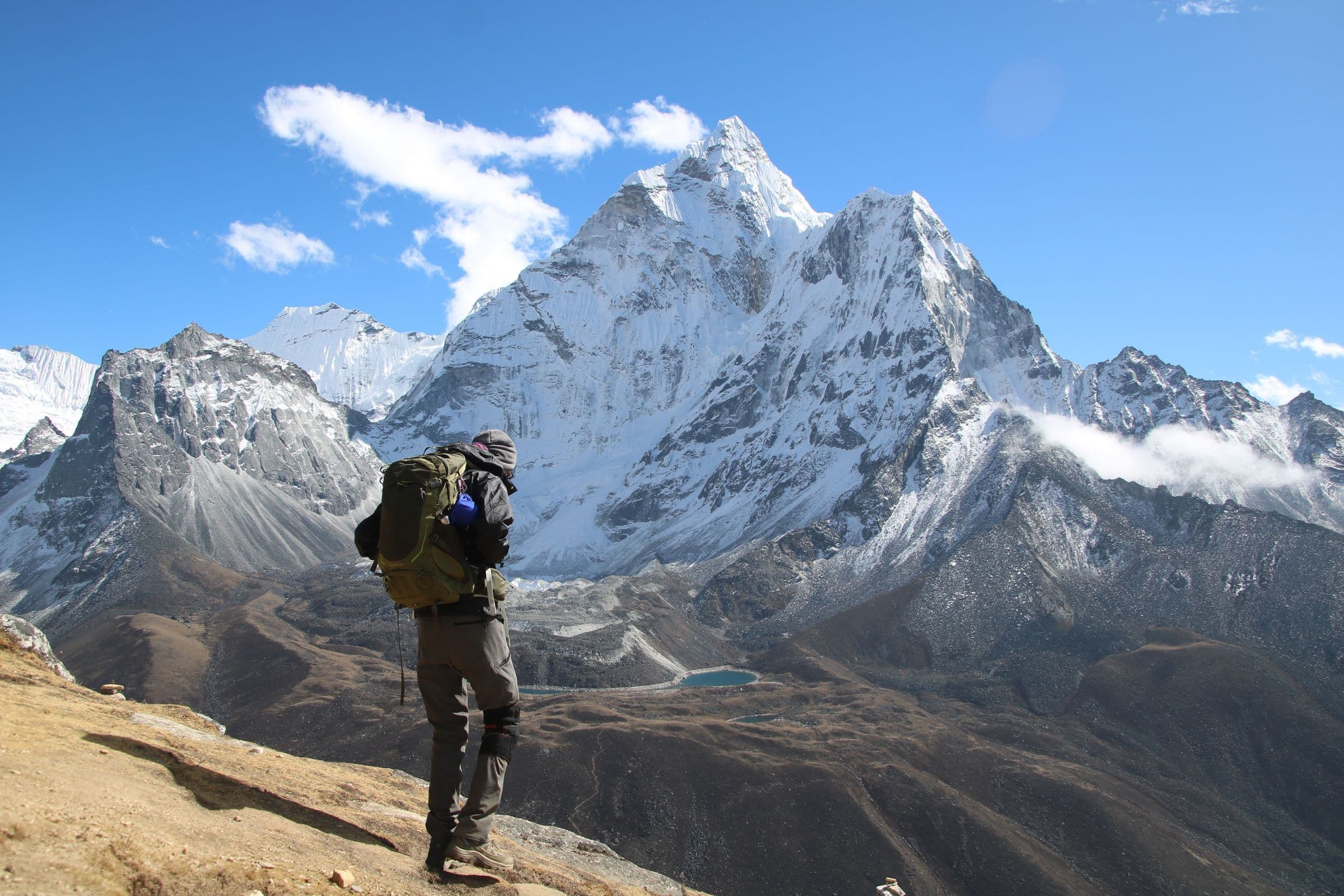
In this guide3 sections
Acute mountain sickness (AMS) can affect anyone above about 2,500 m, regardless of age or fitness. It is almost always preventable with a sensible ascent profile, and almost always treatable with descent.
Prevention
- Above 3,000 m, raise your sleeping altitude by no more than 300–500 m per day.
- Take a rest day every 1,000 m of ascent; walk higher and sleep lower on rest days.
- Drink plenty, avoid alcohol and sleeping pills, and eat even when appetite drops.
- Discuss preventive medication with a doctor before travelling.
Recognising it
Insurance and evacuation
Buy insurance that explicitly covers trekking to your maximum altitude and helicopter evacuation. Keep the emergency number and policy details on paper as well as on your phone.
Related
Destinations this applies to
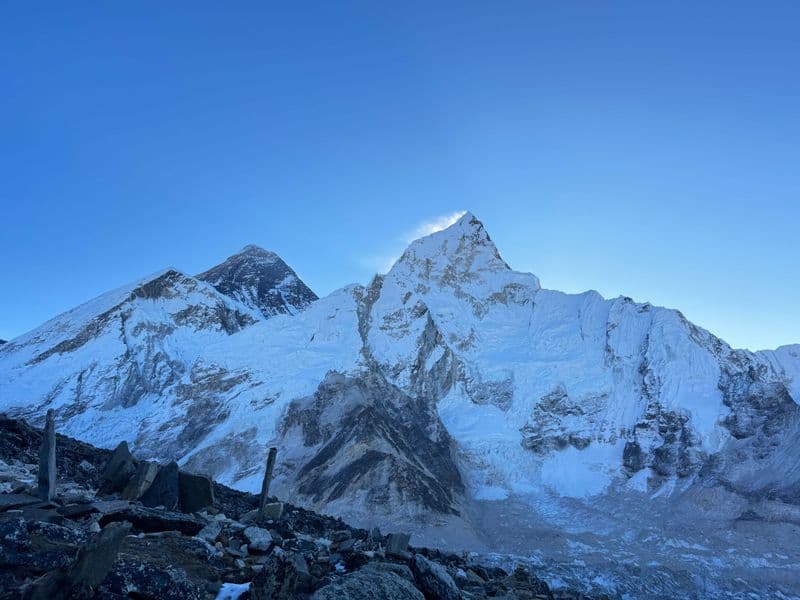
Solukhumbu
Everest Region
Sherpa villages and the trail to the foot of the world’s highest mountain.

Gandaki
Annapurna Region
Rhododendron forests, Gurung villages and treks for every level.
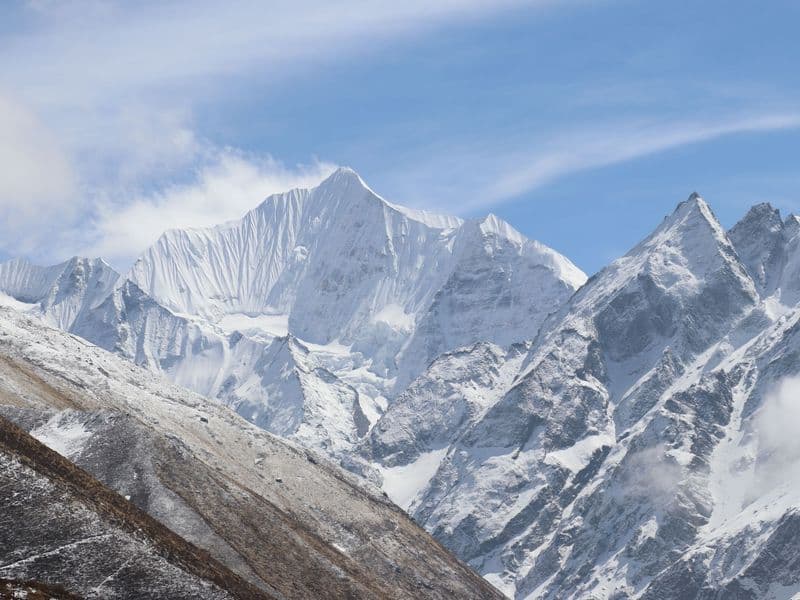
Bagmati
Langtang
The closest Himalayan valley to Kathmandu, rebuilt and welcoming.
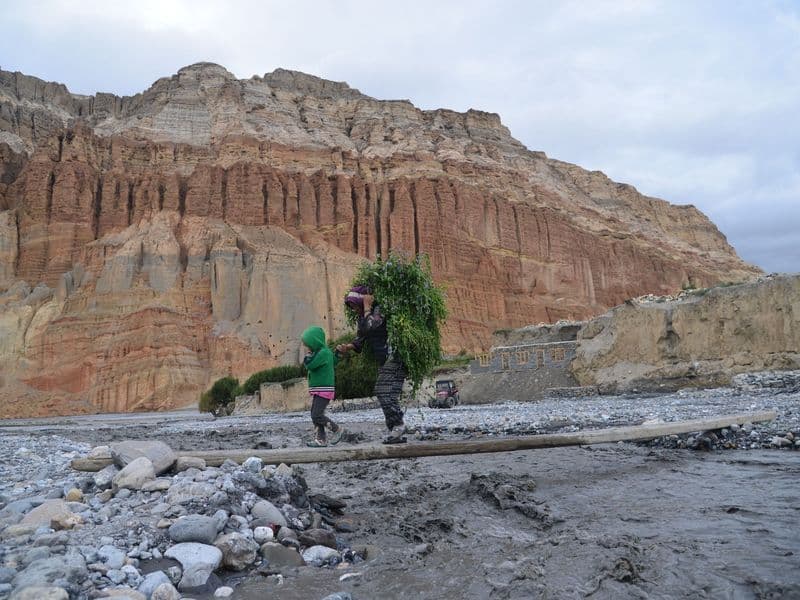
Gandaki
Mustang
A walled kingdom on the Tibetan plateau, in the Himalaya’s rain shadow.
Keep planning
More travel guides

Travel guide
Best Time to Visit Nepal
Autumn and spring are the classic windows, but every season suits some part of Nepal. Here is how to choose.
- Verified
- Checked Oct 2026

Travel guide
Culture and Etiquette in Nepal
How to greet people, behave in temples and homes, dress, tip and photograph without causing offence.
- Verified
- Checked Jun 2026
Travel guide
Getting Around Nepal
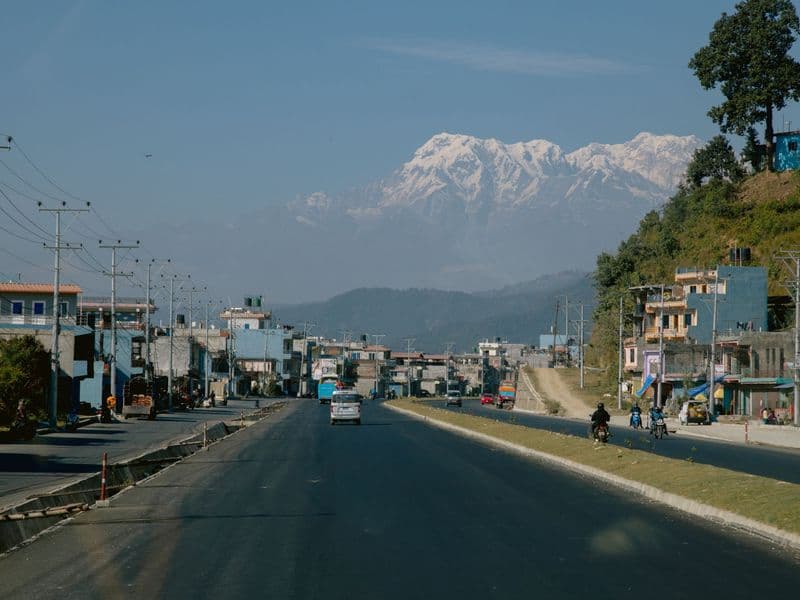
Domestic flights, tourist buses, private jeeps and the realities of Nepali roads.
- Verified
- Checked Oct 2026